How To Extend The Life Of A Frankford Umbrella In High-UV Coastal Environments
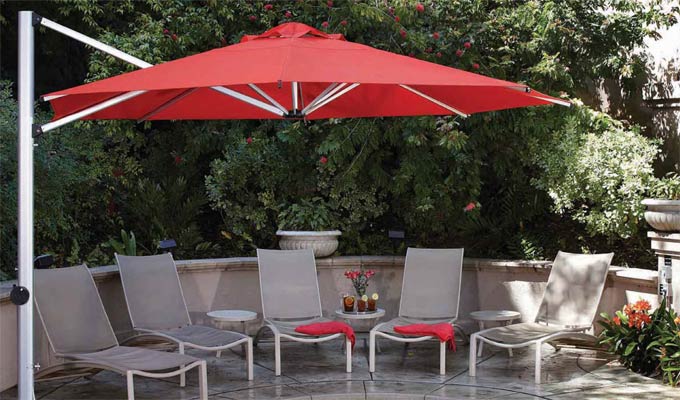
Quick Summary
UV exposure breaks down umbrella fabric at a fiber level long before fading becomes visible, and salt air speeds up corrosion on frames and hardware near the coast. Rinsing frames a few times a week, cleaning fabric gently, and tilting or closing canopies during peak sun hours all slow this damage down. Covering or storing umbrellas during slow seasons adds further protection. Consistent care, more than any single product, determines how many seasons a commercial umbrella performs at its best.
A hotel pool deck along the coast puts outdoor furnishings through more punishment than almost any other setting in the hospitality industry. Sun exposure, salty air, and daily guest traffic combine to wear down shade structures faster than most properties expect. A Frankford Umbrella is engineered for commercial use, but its lifespan still depends on how you care for it once it’s installed.
Resort Contract Furnishings works with hotels, resorts, and beachfront properties nationwide. One topic that comes up often is how to keep large umbrellas performing well season after season in coastal climates. This guide covers what happens to umbrella fabric and frames under high UV exposure, along with habits that help slow the process.
Why a Frankford Umbrella Faces Extra Stress in Coastal Settings
Coastal properties combine three conditions that are especially hard on shade structures: direct UV exposure, humidity, and airborne salt. Any one of these alone is manageable. Combined, they speed up fading, weaken stitching, and corrode metal parts faster than what inland properties typically experience.
A Frankford Umbrella uses heavy-duty materials designed to hold up under demanding conditions. Durable materials still need upkeep to reach their full lifespan, though. Fabric exposed to intense sun for ten or twelve hours a day will lose color and strength over time, no matter how it was made. The frame, hardware, and finish all face similar wear from salt air, especially at properties sitting close to open water.
How High-UV Exposure Wears Down Umbrella Fabric
UV rays break down fabric fibers at a chemical level long before any visible fading shows up. Fabric has usually already lost some of its tensile strength by the time a canopy looks noticeably lighter. A few specific issues tend to appear first:
- Fading: Intense sun bleaches color from the outside in, often before threads start to weaken
- Thread breakdown: Stitching along seams is usually the first structural point to give way under UV stress
- Coating wear: Fabric treated with water-repellent or stain-resistant coatings loses that protection faster in direct sun
- Frame discoloration: Powder-coated aluminum can dull or chalk after prolonged UV exposure
- Hardware fatigue: Plastic components like finials or tilt mechanisms can become brittle in high heat
Small signs are worth checking out early. Catching thread wear or coating breakdown before a canopy fails outright makes replacement decisions easier later.
Salt Air, Humidity, and Frame Care Near the Pool Deck
Properties near the coast deal with more than sun. Salt carried in ocean air settles on metal surfaces and accelerates corrosion, especially around joints, hinges, and screws. Umbrellas near commercial poolside furniture face added exposure from chlorine and pool chemicals drifting through the air.
A quick rinse routine for umbrella frames helps remove salt and chemical residue before it can sit and cause damage. Fresh water rinses a few times a week during peak season go a long way toward slowing corrosion on aluminum and stainless steel hardware. Properties that skip this step often see hinges and screws stiffen or discolor well ahead of schedule.
Simple Maintenance Habits That Extend Umbrella Life
A consistent cleaning routine matters more than any single product. Mild soap and water, applied with a soft brush, remove dirt and salt buildup without damaging fabric fibers or finishes. Harsh chemicals and abrasive scrubbing pads do more harm than good. They strip protective coatings and leave fabric more vulnerable to sun damage.
Tilting or closing umbrellas during peak midday hours gives fabric a break from direct exposure during the day’s strongest UV window. Properties that rotate umbrella use across a pool deck, instead of leaving the same units open all day every day, tend to see more even wear across their inventory. Regular checks of tilt mechanisms, ribs, and finials catch small issues before they become larger repairs.
Here are a few habits worth building into a maintenance schedule:
- Rinse frames: Two to three times a week during peak season to limit salt buildup
- Clean fabric gently: Mild soap and a soft brush, avoiding bleach or abrasive tools
- Tilt or close midday: Reduce direct UV exposure during the hottest part of the day
- Rotate usage: Spread wear evenly across multiple units rather than favoring the same ones
- Inspect hardware: Check hinges, ribs, and tilt mechanisms on a set schedule
Off-Season Storage and Protection Tips
Not every property operates in a climate that allows umbrellas to stay open year-round. Properties with an off-season can close and cover umbrellas during extended stretches of inactivity. This protects fabric from unnecessary sun exposure and keeps dust and debris from settling into seams.
Storing umbrellas indoors or under cover during severe weather also protects frames from wind stress and flying debris. Even short-term coverage during slow periods adds up over a few years of use, especially in regions with harsh winters or seasonal storm activity.
Getting More Seasons Out of Your Outdoor Shade
Extending the life of outdoor shade structures comes down to a handful of consistent habits. Regular rinsing, gentle cleaning, and giving fabric a break from peak sun exposure all add up over time. Coastal properties face tougher conditions than inland locations, but routine care keeps umbrellas performing well for years longer than a hands-off approach ever could.
Contact our team at Resort Contract Furnishings to walk through umbrella care questions specific to your property’s climate and setup.
FAQs
How often should a Frankford Umbrella be rinsed in coastal locations?
A rinse two to three times a week during peak season helps remove salt buildup. Properties in especially humid or windy areas may benefit from rinsing more often.
Can UV damage be reversed once fabric starts to fade?
Fading itself cannot be reversed once it happens. Routine care and reduced sun exposure can slow further fading and extend the fabric’s remaining lifespan.
Is it necessary to close umbrellas overnight?
Closing umbrellas overnight reduces wind stress and limits continuous UV exposure. It also helps protect fabric from dew and overnight humidity.
What cleaning products are safe for umbrella fabric?
Mild soap and water applied with a soft brush work well for typical fabric types. Harsh chemicals or abrasive pads can strip protective coatings and speed up wear.
How long should a commercial umbrella last in a coastal environment?
Lifespan varies based on exposure levels and maintenance habits. Consistent care can help a commercial-grade umbrella perform well across several seasons.