Frankford Umbrella Valance Styles: How The Right Design Elevates Your Outdoor Space
Quick Summary
A Frankford umbrella valance shapes the finished look of a canopy, adding visual polish beyond basic shade coverage. Scalloped edges suit classic or coastal designs, straight cuts fit modern architecture, and fringed styles bring movement to relaxed, beachfront settings. Matching valance style and color to a property’s existing design keeps the look intentional. Fabric quality and replacement availability matter too, since a poorly built or discontinued valance can mismatch a property’s outdoor spaces over time.
Umbrellas anchor a lot of outdoor spaces. They create shade, they define seating areas, and they often become the visual centerpiece of a pool deck or restaurant patio. What sits along the edge of that umbrella canopy, the valance, plays a bigger role in that overall look than most buyers expect.
At Resort Contract Furnishings, we field questions about valance styles fairly often, usually once a property has settled on canopy color and pole finish. A Frankford umbrella with the wrong valance style can throw off the whole design, while the right one ties everything together and adds a finished, custom look. Here’s what property owners and designers should know about valance options before finalizing an umbrella order.
What a Frankford Umbrella Valance Actually Does
A valance is the trim piece hanging along the edge of an umbrella canopy. It’s a design detail, but it also serves a few practical functions worth understanding before choosing a style.
A few things a valance contributes to an outdoor space:
- Visual finish: A scalloped or straight edge gives the umbrella a polished, complete look instead of a plain flat canopy
- Wind movement: Fringe and flutter styles add subtle motion, which can make a static structure feel more dynamic
- Brand personality: Valance shape and trim color can echo a property’s design theme, from classic to modern
- Shade coverage: Some valance styles add a small amount of extra edge coverage during low-angle morning or evening sun
Properties browsing Frankford umbrella options often overlook valance style at first, focusing instead on canopy size and color. It’s worth circling back to before placing a final order, since it affects the umbrella’s overall silhouette once it’s installed and open.
Common Valance Styles and Where They Fit
Valance styles range from simple to detailed, and each one fits different property aesthetics. Scalloped valances, with their soft wave-like edge, work well for properties with a classic or resort-style look. Restaurants and hotels aiming for a traditional coastal feel often lean toward this style.
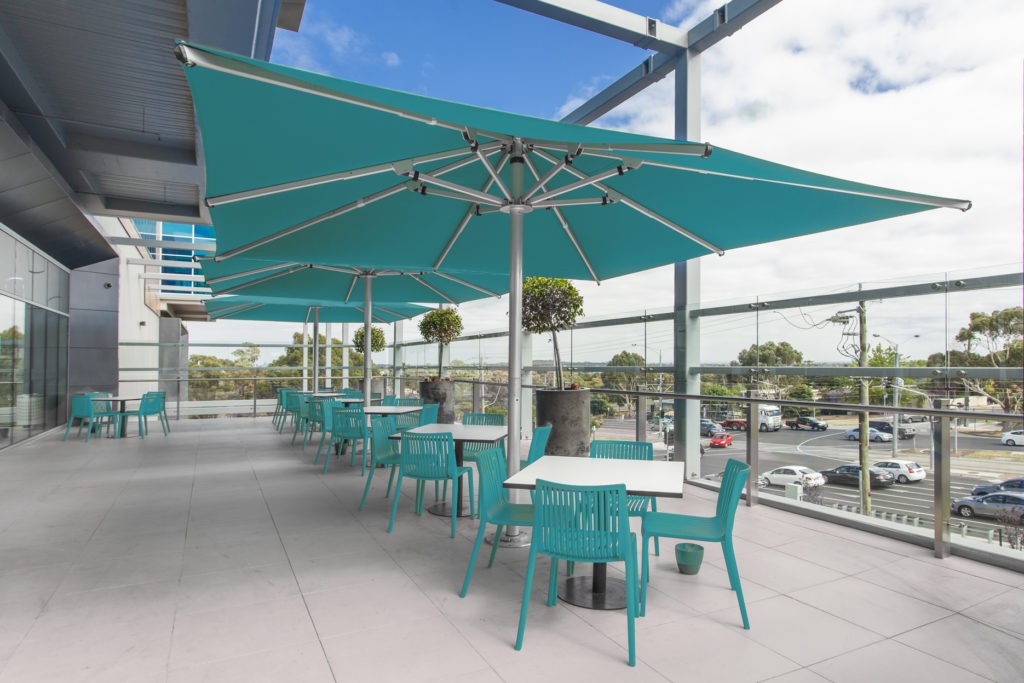
Straight-cut valances offer a cleaner, more modern silhouette. Properties with contemporary architecture or minimalist landscaping tend to pair better with this simpler edge. It doesn’t compete visually with nearby design elements.
Fringed valances add texture and movement, catching a breeze in a way that draws the eye. They work well in beachfront or tropical settings where a relaxed, breezy feel matches the overall property theme.
Umbrella choice doesn’t stop at valance style either. Frame finish, canopy fabric, and base weight all need to work together as a full package. Properties often review resort umbrellas and weight options alongside valance style. A mismatched base or frame finish can undercut an otherwise well-chosen canopy design.
Matching Valance Style to Property Design
Choosing a valance style works best when it starts with the property’s existing design language rather than personal preference alone. A resort with ornate architectural details might pair well with a scalloped valance, since the softer edge echoes other curved design elements around the property.
A modern hotel with clean lines and minimal ornamentation usually looks better with a straight-cut valance. In that setting, adding a fringed or scalloped style can create visual clutter that competes with the simplicity of the surrounding design.
Color coordination matters here too. A valance in a contrasting trim color can highlight the umbrella as a design feature, while a valance matching the canopy color keeps the look understated and blended into the space. Neither approach is wrong, but the choice should support the overall design goal.
Outdoor spaces with multiple umbrellas benefit from consistency across the property. Mixing valance styles across a pool deck or restaurant patio can look inconsistent, even if each individual umbrella looks good on its own. Sticking with one style across a full space usually creates a more cohesive look.
Practical Considerations Beyond Aesthetics
Valance style isn’t purely a design decision. A few practical factors deserve consideration too, since they affect how the umbrella performs over time in a commercial setting.
Fabric weight and construction quality affect how well a valance holds up in wind and sun exposure. A poorly constructed valance can fray or fade faster than the canopy itself, creating a mismatched look within a season or two even if the rest of the umbrella still looks new.
Maintenance also varies slightly by style. Fringed valances can accumulate more debris and require a bit more attention during cleaning, while straight-cut valances are generally easier to wipe down and maintain.
Check replacement availability before committing to a specific style, especially for properties planning to add umbrellas in phases over multiple seasons. A discontinued valance style can create mismatched umbrellas across a property if replacement pieces become unavailable later.
Finishing Your Outdoor Space With the Right Details
Valance style can seem a small detail in the larger scope of an outdoor furniture plan, but it plays a real role in how finished and intentional a space looks. Matching valance shape and color to a property’s existing design language, staying consistent across multiple umbrellas, and factoring in durability all contribute to a better long-term result.
A well-chosen umbrella, valance included, becomes part of a property’s overall visual identity. Talk with our team today about the options available for your property.
FAQs
Does a valance affect how much shade an umbrella provides?
A valance adds a small amount of extra edge coverage during low-angle sun, but its main role is visual. Shade coverage comes primarily from the canopy size itself.
Can different valance styles be mixed on the same property?
Mixing styles across a pool deck or patio can look inconsistent, even when each umbrella looks fine on its own. Sticking with one valance style across a space usually creates a more cohesive result.
How does valance color affect an umbrella’s overall look?
A contrasting trim color makes the umbrella stand out as a design feature. A matching color keeps the look understated and blends the umbrella into the surrounding space.
Which valance style works best for coastal or tropical properties?
Fringed valances add texture and movement that suit relaxed, beachfront themes well. Scalloped valances also work for classic coastal looks with softer, wave-like edges.
Does valance fabric quality matter for long-term durability?
Yes. Lower-quality fabric can fray or fade faster than the canopy itself, creating a mismatched look within a season or two even if the rest of the umbrella holds up.