Year-Round Maintenance Tips for Commercial Poolside Furniture
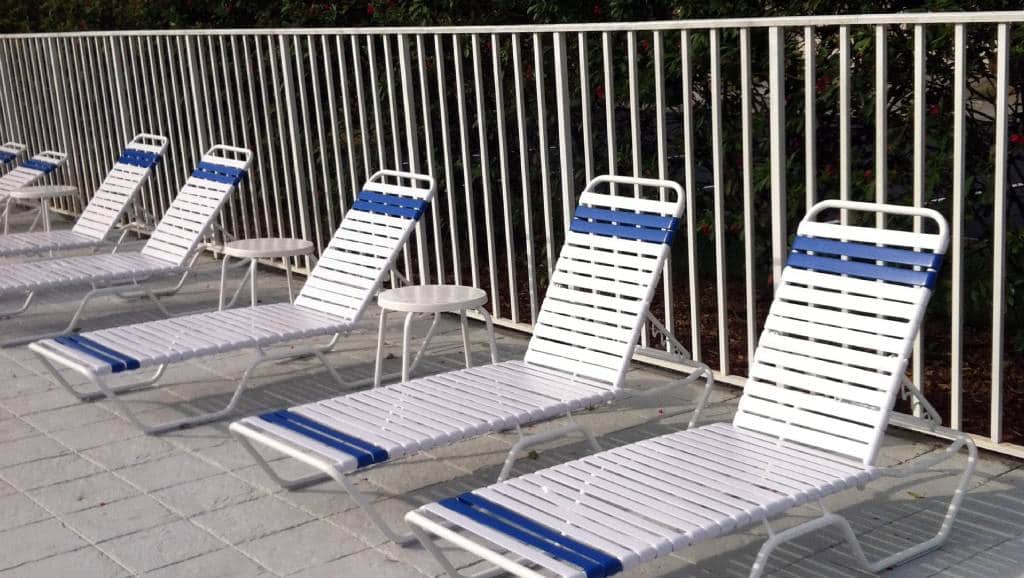
Commercial poolside furniture faces constant exposure to sun, treated water, moisture, and high guest turnover. These conditions challenge even the strongest materials across busy resort environments.
Thoughtful maintenance protects appearance, comfort, and safety while controlling replacement costs. A seasonal approach allows resort teams to address specific risks before damage escalates. From spring cleaning through winter storage, consistent care extends service life and preserves a polished poolside experience.
This guide outlines practical maintenance steps that align with hospitality operations and guest expectations throughout the year.
Why Seasonal Maintenance Improves Resort Performance
Pool areas operate under unique environmental stress. Ultraviolet rays fade finishes and fabrics. Chlorine residue accelerates surface wear. Moisture seeps into joints and cushions. Heavy daily use strains frames and hardware.
When maintenance falls behind, furniture degrades faster. Repairs increase. Visual appeal declines. Guest perception shifts. A seasonal routine helps teams stay ahead of damage rather than reacting after failure occurs.
Resort operators often find that structured care reduces annual replacement cycles. Furniture stays in service longer. Budgets stabilize. Pool decks remain inviting during peak occupancy periods.
High-quality commercial pieces form a strong foundation. Ongoing care builds on that foundation and protects the investment across seasons.
Spring: Deep Cleaning and Condition Assessment
Spring signals renewal for outdoor spaces. Furniture returns to service after winter storage or reduced use. This moment sets the tone for the season ahead.
Begin with a full inspection. Review frames for surface corrosion, cracks, or loose fasteners. Address hardware issues before guests arrive. Replace worn straps or slings promptly.
Clean frames using mild soap and water. Aluminum and stainless steel respond well to soft cloths and pH-neutral solutions. Abrasive tools damage finishes and shorten lifespan.
Cushions and fabrics benefit from careful attention. Vacuum surfaces to remove debris. Spot-clean stains using diluted fabric cleaners tested on small areas first. Rinse thoroughly to remove chemical residue.
After cleaning, allow all pieces to dry completely. Moisture trapped beneath cushions or in joints encourages mildew. Dry furniture maintains a fresher appearance and reduces odor concerns.
Spring maintenance prepares poolside furniture for heavy use while reinforcing guest confidence in cleanliness.
Summer: Consistent Care During Peak Use
Summer brings constant guest activity. Poolside furniture sees daily movement, spills, sunscreen residue, and moisture exposure. Short, frequent routines keep conditions manageable.
Wipe high-contact areas regularly. Armrests, tabletops, and chair backs collect lotions and chlorine residue. A damp cloth used often prevents buildup that dulls finishes.
Schedule weekly wash-downs using low-pressure hoses. Gentle rinsing removes surface contaminants without forcing water into joints or fabric seams. Soft brushes help lift dirt from textured surfaces.
Fabric care remains important during peak heat. Rotate cushions to distribute wear evenly. Allow cushions to air-dry after rain or heavy use. Avoid stacking damp cushions.
Shade structures also require attention. Umbrellas should open and close smoothly. Bases should drain properly. Resorts using large-scale shade options such as Frankford Giant Umbrella systems benefit from routine hardware checks during busy months.
Fall: Preparing Furniture for Changing Conditions
Fall marks a transition period. Usage patterns shift. Weather becomes unpredictable. Maintenance focus moves toward protection and preparation.
Begin with thorough cleaning. Remove pollen, leaves, and debris that cling to surfaces and fabrics. Organic matter left in place traps moisture and causes staining.
Apply mildew inhibitors to fabrics after cleaning. Allow adequate drying time before storage or covering. Dry materials resist mold growth during cooler months.
Inspect frames again. Lubricate moving components such as hinges or reclining mechanisms with silicone-based products. This step maintains smooth operation and prevents corrosion.
Protective covers help shield furniture from rain and temperature swings. Choose breathable covers that allow airflow. Avoid plastic sheets that trap moisture beneath.
Winter: Smart Storage and Protection Strategies
Winter presents the highest risk for long-term damage when furniture remains exposed. Cold temperatures and moisture stress materials in different ways.
Whenever possible, store furniture indoors. Dry, ventilated spaces above freezing temperatures support material stability. Elevate furniture off concrete floors to reduce moisture transfer.
Before storage, clean and dry every piece completely. Even small amounts of moisture cause mold growth during storage periods. Disassemble stackable items to reduce pressure points.
Cushions require special care. Store them separately in breathable containers once fully dry. Cedar blocks deter pests without introducing strong odors.
For items that remain outdoors, adjust positioning. Group furniture under covered areas. Secure covers tightly while maintaining airflow.
Fabric Care Across All Seasons
Fabrics influence guest comfort and visual appeal more than any other component. Ongoing attention preserves both performance and appearance.
Routine vacuuming removes abrasive particles that wear fibers over time. Prompt stain removal prevents discoloration. Gentle cleaners protect fabric integrity.
Avoid harsh chemicals. Bleach weakens fibers and shortens fabric life. Use cleaners designed for commercial outdoor textiles.
After rain, encourage airflow. Stand cushions on edge or remove them from seating until dry. Moisture trapped inside foam leads to odor and mildew.
Regular fabric care extends cushion life and maintains a fresh poolside atmosphere that guests appreciate.
Umbrellas, Bases, and Shade Structures
Shade structures often receive less attention than seating, yet they face constant environmental exposure. Maintenance improves both safety and longevity.
Inspect umbrella canopies for wear along seams and edges. Clean fabric regularly to prevent dirt buildup that weakens fibers.
Check tilt and rotation mechanisms. Smooth operation reduces strain on internal components. Lubricate as needed using products suited for outdoor use.
Drain umbrella bases after rain. Standing water adds weight and increases corrosion risk. Lock wheels securely once repositioned.
Coordinating umbrella care with seating maintenance creates a unified poolside presentation. Many resorts align shade upkeep with restaurant outdoor furniture maintenance schedules for operational efficiency.
Ongoing Habits That Support Long-Term Results
Seasonal routines work best when paired with consistent habits. Monthly inspections catch small issues early. Immediate repairs prevent escalation.
Remove damaged furniture from service quickly. Guest safety remains a top priority. Repairs completed promptly restored confidence.
Use furniture-specific tools such as soft brushes and fabric-safe cleaners. Proper tools speed up maintenance and protect finishes.
Train staff on correct handling. Dragging furniture causes frame stress. Proper lifting reduces damage and injury risk.
Create Poolside Spaces That Last With Our Team
At Resort Contract Furnishings, we work with resort operators to provide commercial-grade poolside furniture built for demanding environments. Our team works closely with hospitality professionals to match products with real-world conditions. We focus on American-made options, attentive service, and competitive pricing.
With the right furniture and a thoughtful maintenance plan, poolside spaces remain inviting, reliable, and ready for guests throughout every season.