How to Choose the Right Frankford Umbrella for Different Commercial Outdoor Spaces
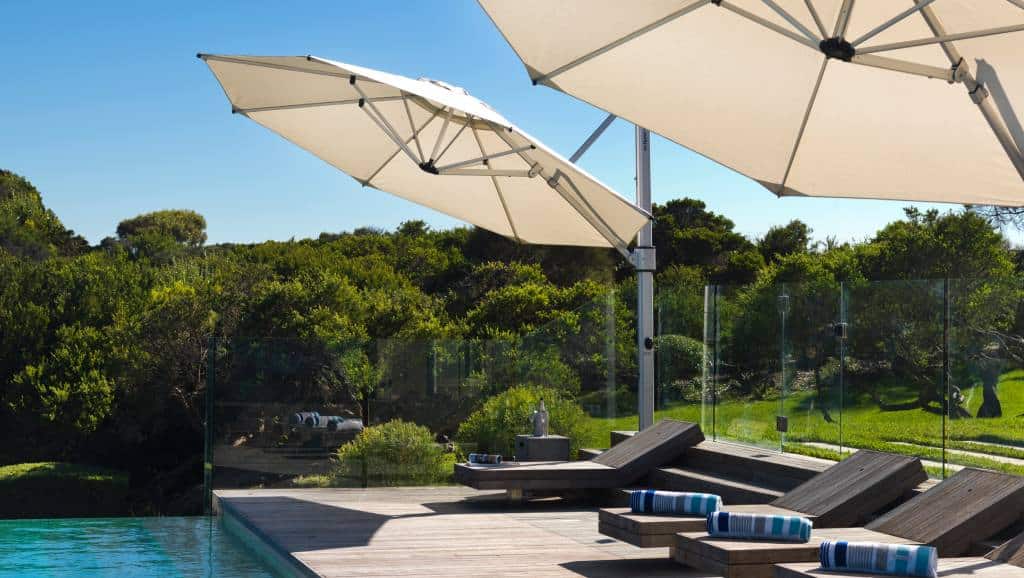
Outdoor spaces shape how guests experience a resort, restaurant, or hospitality property. Shade plays a defining role in comfort, flow, and visual balance across these areas.
Choosing the right commercial umbrella involves more than appearance alone. Layout, guest movement, wind exposure, and furniture placement all influence performance over time. Frankford umbrellas offer multiple styles designed for specific commercial settings.
Understanding how each option functions helps hospitality teams create shaded environments that improve comfort, safety, and day-to-day operations without disrupting the overall design.
Understanding Space, Flow, and Daily Use
Before selecting an umbrella style, operators should assess how guests move through the space. Dining patios differ from pool decks. Lounges function differently than beachfront seating. Each environment places unique demands on shade structures.
Fixed seating areas benefit from stability and central coverage. Flexible layouts require open clearance and easy repositioning. High-volume spaces demand wide shade spans that serve multiple guests at once. Wind exposure also varies by location and height, affecting frame selection and base requirements.
Umbrellas that align with real usage patterns reduce staff intervention and improve the guest experience. Mismatched shade solutions create congestion, uneven coverage, and maintenance challenges.
Market Umbrellas for Structured Seating Areas
Market umbrellas feature a classic center-post design that works well in organized layouts. These umbrellas suit restaurant patios, café terraces, and poolside dining areas where tables remain in fixed positions.
The center pole aligns naturally with table openings, creating balanced shade without blocking walkways. Marine-grade canopy fabrics provide consistent coverage throughout the day. Aluminum or wood poles offer stability while maintaining a refined appearance.
Crank lift systems simplify daily operation for staff. Adjustments happen quickly during service hours without disturbing guests. Market umbrellas also pair well with coordinated seating and tables, creating cohesive outdoor dining zones.
Properties with predictable guest flow and clustered seating often find market umbrellas fit both functional and visual needs.
Cantilever Umbrellas for Flexible Lounge Layouts
Cantilever umbrellas differ from traditional designs by shifting the pole away from the shaded area. This structure opens the space beneath the canopy, which suits lounges, spas, and pool decks with movable seating.
Freestanding bases allow rotation and tilt adjustments. Staff can track sun movement without relocating furniture. This flexibility benefits areas where chairs and loungers shift throughout the day.
Reinforced aluminum frames perform well in breezy conditions. Cantilever umbrellas also reduce visual clutter in spaces designed for relaxation, since the pole remains outside the primary seating zone.
These umbrellas perform best where guest movement changes frequently and uninterrupted space improves comfort and accessibility.
Giant Umbrellas for Large, Open Environments
Giant umbrellas address shade needs in expansive outdoor areas. Event plazas, resort courtyards, and large pool decks often require coverage for multiple tables or seating clusters at once.
Wide canopy spans reduce the number of shade structures needed, creating cleaner sightlines. Heavy-duty frames and thick poles maintain stability across high-traffic environments. Solution-dyed acrylic fabrics resist fading under constant sun exposure.
These umbrellas suit properties with open layouts and minimal overhead obstacles. Resorts often select oversized options when shade must serve many guests simultaneously without creating congestion.
For large-scale applications, the Frankford Giant Umbrella category provides broad coverage with commercial-grade performance.
Beach Umbrellas for Coastal and Waterfront Settings
Beach umbrellas address challenges unique to coastal environments. Sand, salt air, and shifting winds demand materials that withstand constant exposure.
Fiberglass ribs bend under gust pressure rather than snapping. Ash wood poles offer strength with a natural appearance that blends with shoreline aesthetics. Vented canopies improve airflow, reducing lift during breezy conditions.
These umbrellas suit beachfront dining, pool areas near the shore, and casual seating zones with linear guest paths. Their lighter profiles allow frequent repositioning as tides and guest flow change.
Properties focused on relaxed outdoor experiences near water often rely on beach-style umbrellas for dependable shade without heavy infrastructure.
Matching Umbrella Style to Guest Experience Goals
Guest expectations vary by space. Dining areas benefit from consistent shade that accommodates long meals. Lounges prioritize open views and flexible seating. Event areas require efficient coverage that handles volume.
Market umbrellas reinforce structure and order. Cantilever styles emphasize freedom of movement. Giant umbrellas deliver scale and efficiency. Beach umbrellas reflect ease and adaptability.
Selecting the right style enhances comfort without interrupting service. Shade should feel intentional, not improvised. When umbrellas match the environment, guests notice the harmony even if they do not consciously identify it.
Wind, Weight, and Base Considerations
Wind exposure influences umbrella performance as much as canopy size. Properties near water or at higher elevations face stronger gusts.
Heavy bases increase stability. Locking wheels allow repositioning without sacrificing safety. Permanent mounting suits locations with consistent layouts and exposure.
Operators should match umbrella size with appropriate base weight. Oversized canopies paired with undersized bases increase tipping risk. Proper planning reduces accidents and extends equipment life.
Routine inspection of bases, hardware, and tilt mechanisms also improves long-term reliability.
Design Customization and Visual Consistency
Commercial umbrellas influence the visual identity of outdoor spaces. Color, fabric texture, and trim details affect how areas feel throughout the day.
Custom fabric options allow alignment with brand palettes and surrounding architecture. Dual-tone canopies add subtle contrast. Valances and edge details enhance character without overwhelming the space.
Umbrellas often work best when coordinated with seating and tables. Many hospitality teams plan shade and furniture together, aligning umbrellas with restaurant outdoor furniture to create unified outdoor zones.
Consistent design strengthens guest perception of quality and attention to detail.
Maintenance and Longevity Considerations
Selecting the right umbrella also affects maintenance routines. Modular components simplify repairs. Replaceable canopies extend service life. Durable finishes reduce corrosion and fading.
Umbrellas suited to their environment require fewer adjustments and repairs. Staff spend less time troubleshooting and more time assisting guests.
Long-term value comes from choosing styles that handle daily use without constant intervention.
Let Us Help You Shade Every Outdoor Space With Confidence
At Resort Contract Furnishings, we guide hospitality teams through umbrella selection based on layout, guest flow, and real-world use. Our experience across resort, dining, and leisure environments helps align shade solutions with daily operations. We focus on American-made products, responsive service, and competitive pricing.
With the right umbrella style in the right setting, outdoor spaces feel comfortable, functional, and ready for guests every day.