Frankford Umbrella Buying Guide: Frames, Fabrics, and Commercial Options Explained
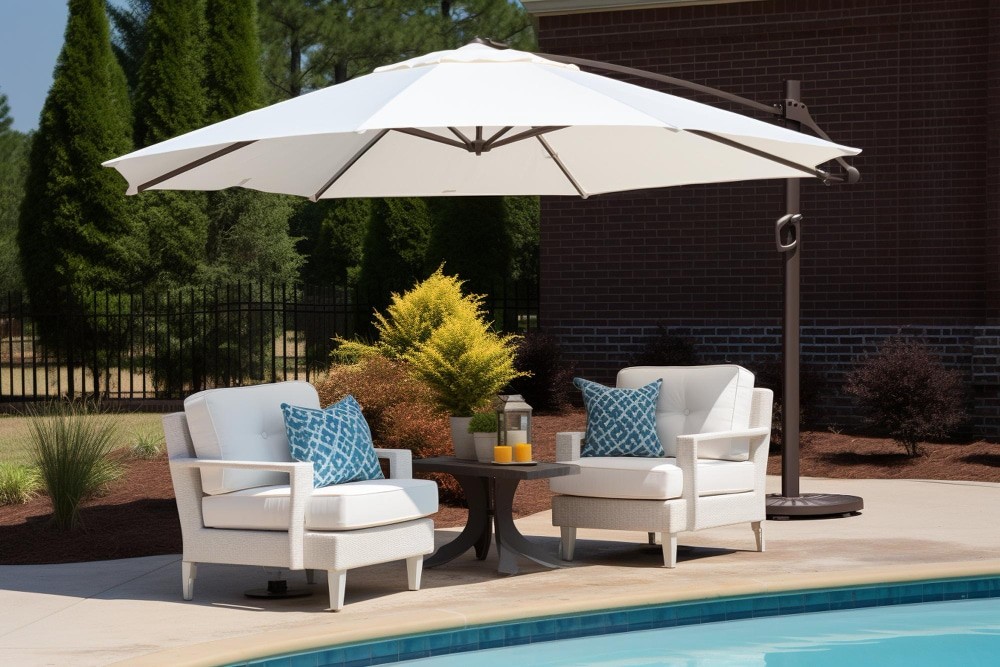
Selecting the right shade solution is a practical decision for any hospitality space. A Frankford Umbrella is designed for environments where exposure to sun, wind, and constant use is unavoidable. Pool decks, restaurant patios, and resort lounges all require shade structures that perform consistently without frequent adjustments or replacements.
Understanding how these umbrellas are built and how they function in real conditions helps in choosing options that align with daily operations. Frame construction, fabric quality, and mounting methods all play a role in how well an umbrella holds up over time.
Why Commercial Shade Solutions Require Engineered Performance
Outdoor shade structures operate under constant environmental stress. Unlike residential setups, hospitality spaces require umbrellas that remain stable through repeated use and changing weather conditions.
Wind exposure, UV radiation, and moisture all affect structural integrity. An umbrella that performs well in these conditions reduces maintenance demands and avoids disruptions during service hours. This is why commercial-grade construction focuses on flexibility, strength, and corrosion resistance rather than lightweight convenience alone.
In high-traffic environments, shade is not optional. It directly affects guest comfort and how long outdoor areas remain usable throughout the day.
Frame Materials That Define Strength and Longevity
Frame construction is one of the most important factors when selecting an umbrella. Materials must withstand both environmental exposure and daily handling.
Aluminum frames are widely used because they resist corrosion and perform well in poolside environments where chlorine and moisture are present. Powder-coated finishes add an extra layer of protection, helping maintain appearance and structural integrity over time.
Fiberglass ribs offer a different advantage. Instead of resisting wind through rigidity, they flex under pressure. This flexibility allows the umbrella to maintain its shape during gusts rather than breaking under stress. In areas with frequent wind exposure, this feature significantly extends the lifespan of the structure.
The combination of corrosion-resistant frames and flexible rib systems creates a balance between durability and adaptability.
Wind Resistance and Structural Stability in Outdoor Environments
Wind performance is often overlooked until failure occurs. In open hospitality settings, umbrellas must remain stable without constant repositioning.
Commercial models are typically designed to handle varying wind speeds depending on their structure. Stability comes from both the frame design and the base system. Heavier bases or fixed mounting options prevent tipping, while flexible rib systems absorb pressure.
A Frankford giant umbrella is often selected for larger spaces where extended coverage is required. These models are engineered to maintain stability while covering wider areas, reducing the need for multiple smaller units.
Choosing the right wind-rated structure helps prevent damage and reduces the need for replacements caused by environmental stress.
Fabric Technology That Supports Long-Term Use
The canopy is the most exposed component of any umbrella. Its performance determines how well the structure holds up under sunlight, moisture, and daily use.
Solution-dyed acrylic fabric is commonly used because it maintains color integrity even after prolonged UV exposure. Unlike surface-dyed materials, the color runs through the fibers, preventing fading and discoloration.
These fabrics are also designed to resist water, mold, and mildew. This reduces cleaning requirements and helps maintain a consistent appearance across the property. In hospitality environments, where presentation matters, this consistency plays an important role.
Advanced treatments further improve water resistance and durability, allowing the fabric to perform across different weather conditions without frequent replacement.
Design Configurations That Improve Space Utilization
Umbrella design affects how space is used and how guests interact with the environment. Different configurations serve different purposes depending on layout and usage.
Center pole umbrellas are commonly used in dining areas where tables provide natural support for placement. Cantilever designs offer more flexibility by removing the central obstruction, allowing for uninterrupted seating arrangements.
Rotational and tilt features improve usability by allowing shade to be adjusted without moving the base. This becomes especially useful during peak hours when repositioning furniture is not practical.
Larger umbrellas are often used to create defined zones within outdoor spaces. They help organize seating areas while providing consistent coverage.
Mounting Options and Their Impact on Stability
The base or mounting system plays a significant role in how well an umbrella performs. Stability is not only about weight but also about how the structure is anchored.
Free-standing bases offer flexibility and are suitable for spaces that require frequent reconfiguration. Heavier bases provide additional stability in areas exposed to wind.
Permanent or semi-permanent mounts are often used in fixed layouts. These options eliminate movement and provide consistent positioning, which is beneficial in high-traffic areas.
Functionality That Supports Daily Operations
Ease of use is essential in hospitality environments. Umbrellas should operate smoothly without requiring excessive effort from staff.
Crank systems simplify opening and closing, especially for larger units. Pulley systems provide a more traditional approach but remain reliable in smaller configurations.
Features such as telescoping masts allow umbrellas to open and close over existing furniture. This reduces the need to move tables and chairs, saving time and effort during setup and breakdown.
Operational efficiency improves when equipment aligns with daily workflows rather than complicating them.
Care and Maintenance That Preserves Performance
Routine care and maintenance ensures that umbrellas continue to perform as expected over time. Even durable materials benefit from regular cleaning and inspection.
Fabric surfaces should be cleaned with mild solutions to remove dirt and environmental buildup. This prevents long-term staining and maintains appearance. Frames require minimal upkeep, especially when constructed from corrosion-resistant materials.
Inspecting moving parts and hardware helps identify wear before it becomes a larger issue. Addressing small problems early reduces downtime and extends the lifespan of the product.
Proper storage during extreme weather conditions also contributes to longevity. Closing umbrellas during high winds or storms prevents unnecessary stress on the structure.
Integrating Shade Solutions with Outdoor Furniture Layouts
Umbrellas should not be selected in isolation. They must work alongside seating arrangements and overall layout planning.
In spaces with commercial outdoor furniture, shade placement affects how seating is used throughout the day. Poorly positioned umbrellas can create uneven coverage, leaving some areas exposed while others remain unused.
Coordinating umbrella placement with seating layouts ensures consistent usability. This approach improves guest comfort and maximizes the effectiveness of the outdoor space.
Built for Projects That Demand Reliable Shade
Choosing the right umbrella requires an understanding of how outdoor spaces operate in real conditions. We work with hospitality businesses to provide access to commercial-grade shade solutions that align with these needs.
Our selection includes USA-made options, durable frame constructions, and configurations suited for poolside, dining, and lounge environments. With a focus on performance and responsive service, we help clients select solutions that integrate seamlessly into their outdoor layouts.