Commercial Outdoor Furniture Trends for 2026: What’s In & What’s Out
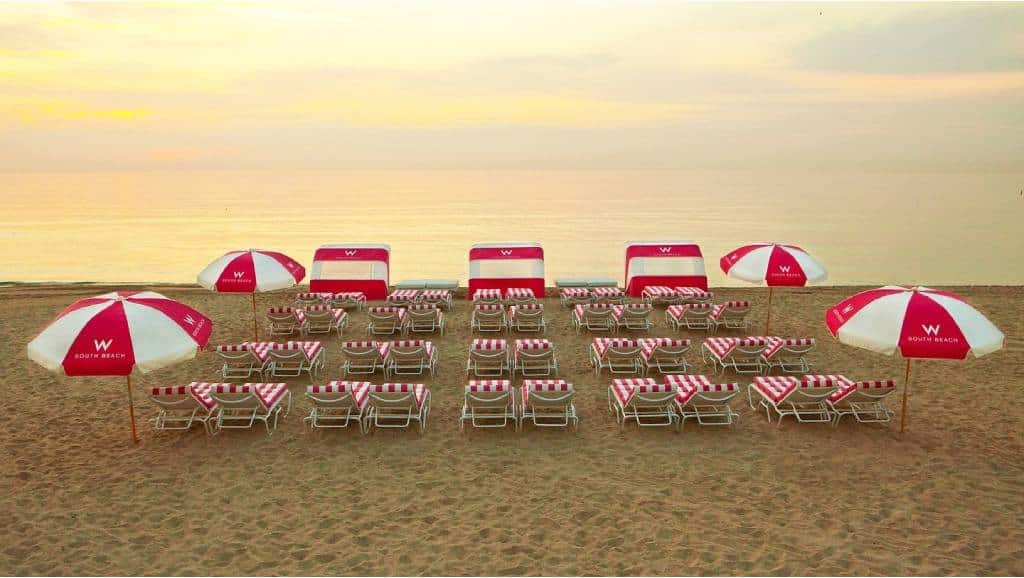
Outdoor spaces continue to influence how guests perceive resorts, hotels, and waterfront properties. Pool decks and beachfront lounges now function as extensions of the guest room experience.
Furniture choices influence comfort, dwell time, and brand memory. In 2026, hospitality buyers prioritize longevity, visual warmth, and responsible sourcing. Short-lived design trends lose relevance as operators seek furniture built for daily use, seasonal shifts, and environmental exposure.
Understanding what is gaining traction helps properties plan upgrades that feel current while maintaining long-term performance and operational efficiency.
Material Trends Shaping Outdoor Spaces in 2026
Material selection in 2026 reflects a balance between natural aesthetics and engineered resilience. Hospitality operators favor finishes that feel organic yet perform under constant sun, moisture, and guest turnover. Teak remains popular due to its density and natural oil content, making it well suited for outdoor use without heavy treatment. When sourced responsibly, it adds warmth to poolside environments without appearing dated.
Marine-grade aluminum continues to expand its footprint across beachfront and rooftop spaces. Powder-coated finishes resist corrosion and allow consistent color across large installations. This consistency helps maintain visual cohesion across mixed seating zones and dining areas.
High-density polyethylene wicker also maintains relevance, particularly in modular seating collections. Newer weaves replicate natural rattan textures while resisting cracking and moisture absorption. These materials perform well near chlorinated pools and saltwater settings, where traditional fibers often fail.
Grosfillex as a Case Study in Durable Poolside Design
Grosfillex continues to influence poolside furniture trends through resin-based seating designed for hospitality use. In 2026, properties focus on chaise lounges that balance comfort with operational efficiency. Grosfillex resin chaises respond to this need through lightweight construction and structural integrity.
These pieces handle frequent cleaning, stacking, and repositioning without surface damage. Their resistance to chlorine and sunscreen residue reduces replacement frequency. This durability benefits properties managing large inventory counts across multiple pools or guest areas.
Design language also evolves. Grosfillex moves away from stark whites toward warmer neutrals and muted tones. These colors align with broader biophilic trends while masking wear. As a result, pool decks feel more inviting without sacrificing practicality.
For operators seeking dependable commercial outdoor furniture, Grosfillex collections show how material science balances aesthetics with long-term value. You can view examples through this curated selection of commercial outdoor furniture.
Color Palettes Moving Away from Stark Neutrals
Color direction in 2026 moves toward grounded, nature-inspired palettes. Hospitality designers favor tones that feel calming and immersive rather than stark or overly minimal. Terracotta, clay, sand, olive, and deep water blues replace bright whites and cool grays.
These colors perform well outdoors by concealing dust, sunscreen residue, and water marks. This helps maintain a cleaner appearance between maintenance cycles. Poolside environments benefit from warmer hues that soften hardscape materials like concrete or stone.
Accent colors also play a strategic role. Subtle contrasts through cushions, umbrellas, or tabletops help define zones without visual clutter. This helps guide movement while maintaining a cohesive look across expansive outdoor layouts.
Furniture finishes now coordinate with landscaping rather than compete with it. This integration encourages guest relaxation while reinforcing a sense of place tied to the surrounding environment.
Frankford Umbrellas and the Shift Toward Performance Shade
Shade solutions remain a priority as guests spend more time outdoors. In 2026, umbrella design focuses on performance rather than decoration alone. Frankford umbrellas illustrate this shift through structural enhancements suited for coastal and poolside use.
Fiberglass ribs allow controlled flexibility during wind exposure. This reduces stress on the frame and canopy during gusts. Vented canopies improve airflow and reduce uplift, improving safety and extending service life.
Fabric selection also evolves. Solution-dyed acrylic maintains color integrity while resisting mildew. This helps maintain a consistent appearance across large installations without frequent replacement.
Frankford umbrellas integrate into seating layouts without obstructing guest movement. Their adaptability allows use across varied applications, from pool decks to dining terraces. You can explore examples through this Frankford umbrellas collection.
Sustainability as a Long-Term Design Priority
Sustainability in 2026 shifts from a marketing angle to an operational consideration. Hospitality buyers seek furniture that reduces waste through longevity and repairability. Materials that resist early failure benefit both budget planning and environmental responsibility.
Recyclable resin and aluminum gain preference over composite materials that limit end-of-life options. Modular furniture systems also gain traction. Replaceable components extend service life without full unit replacement.
Sourcing transparency matters more as regulations evolve. Products manufactured domestically reduce transportation impact and improve supply chain stability. This aligns with operational goals for consistent lead times and predictable quality.
Sustainable furniture also shapes guest perception. Many travelers value visible efforts toward responsible design. Outdoor spaces that reflect these priorities reinforce brand trust without overt messaging.
What Is In for Poolside and Beachfront Furniture
Furniture that adapts to changing guest behavior leads design decisions in 2026. Stackable chaise lounges allow fast reconfiguration during peak periods. Modular seating accommodates group gatherings and private relaxation zones.
Umbrellas designed for wind exposure replace lightweight models that fail under coastal conditions. Shade systems now integrate into layouts rather than feeling like afterthoughts.
Textured finishes gain popularity over smooth, reflective surfaces. These finishes reduce glare and feel more tactile, which enhances comfort in bright environments.
Dining furniture also adapts. Outdoor tables and chairs now match interior quality standards, allowing smoother indoor-outdoor transitions. You can see examples within this Restaurant outdoor furniture category.
What Is Fading from Hospitality Outdoor Design
Short-lived materials lose relevance as replacement costs rise. Untreated wood, thin-gauge steel, and brittle plastics fall out of favor. These materials struggle under UV exposure and frequent cleaning.
Overly rigid layouts also decline. Fixed furniture arrangements limit flexibility during events or seasonal shifts. Properties now prefer adaptable solutions that respond to evolving guest needs.
High-gloss finishes fade from popularity due to visible wear. Matte and textured surfaces better mask daily use while maintaining visual appeal.
Operational Benefits Driving Trend Adoption
Trends in 2026 reflect operational realities as much as design preferences. Furniture that stacks easily reduces labor time during setup and storage. Durable finishes lower maintenance frequency and cleaning costs.
Shade solutions that withstand wind reduce liability concerns and replacement cycles. This helps maintain consistent guest comfort while protecting capital investments.
Unified color palettes simplify inventory management. Replacement pieces integrate well without disrupting visual continuity. This matters for large properties managing phased upgrades.
Plan Outdoor Upgrades with Confidence
At Resort Contract Furnishings, we help hospitality teams translate 2026 design trends into outdoor spaces that perform daily. Our focus stays on commercial-grade furniture, domestic manufacturing, and service built for long-term success.
We work alongside operators to align material choices, layouts, and budgets without unnecessary complexity. When outdoor environments function smoothly, guest experiences improve naturally, and operations gain lasting value.