How to Budget for Commercial Outdoor Furniture for Hotels and Resorts
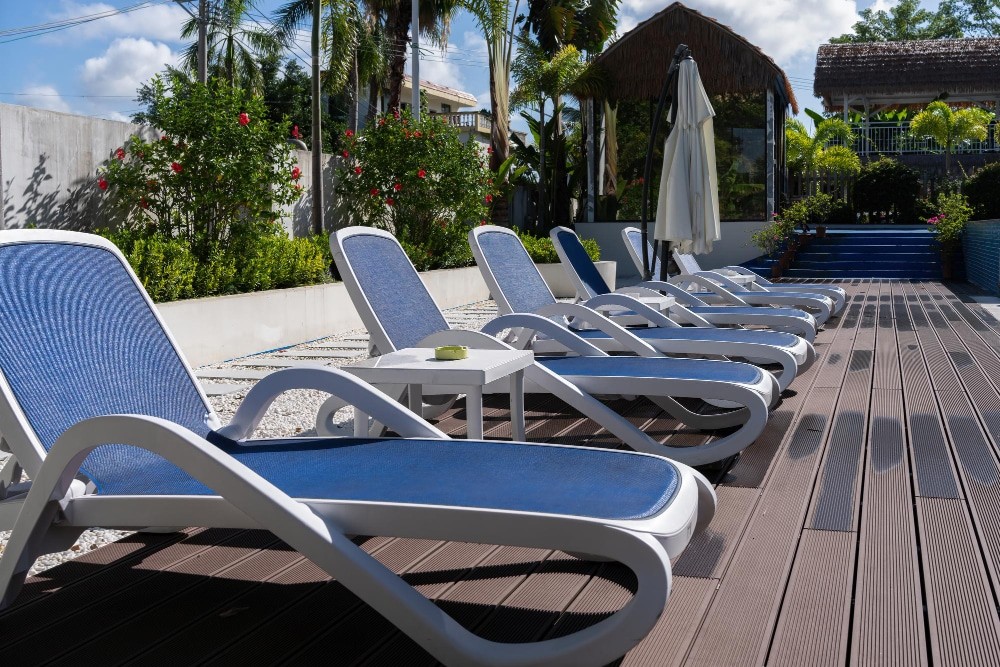
Budgeting for commercial outdoor furniture requires a structured approach that goes beyond initial pricing. Hotels and resorts operate in environments where furniture faces constant exposure to sun, moisture, and heavy guest use. Poor budgeting decisions often lead to frequent replacements, higher maintenance costs, and inconsistent guest experiences.
A well-planned budget accounts for durability, operational efficiency, and long-term value. It also aligns furniture investments with how each outdoor space functions across the property. When done correctly, budgeting becomes a tool for maintaining quality while controlling costs over time.
Understanding Where Outdoor Furniture Fits in Overall Project Budgets
Outdoor furniture typically falls under Furniture, Fixtures, and Equipment, often representing a defined portion of a larger project budget. Within that allocation, decisions must balance visibility, usage frequency, and operational importance.
Public-facing outdoor areas such as pool decks, patios, and dining spaces often require higher investment. These areas experience constant traffic and directly influence guest perception. In contrast, secondary spaces may not require the same level of specification.
Budget planning should reflect how each space contributes to the guest experience. Allocating resources based on usage helps prevent overspending in low-impact areas while ensuring high-traffic zones receive durable, long-lasting solutions.
Prioritizing Durability to Control Long-Term Costs
One of the most common budgeting mistakes is focusing only on upfront cost. Lower-priced furniture often leads to higher replacement frequency, increased labor, and inconsistent performance.
Durability should be treated as a cost-control strategy. Materials such as powder-coated aluminum, high-density polyethylene, and teak are designed to withstand weather exposure and daily use. These materials reduce the likelihood of structural failure and maintain their appearance over time.
Investing in commercial-grade construction minimizes disruptions caused by repairs or replacements. Over time, this approach lowers the total cost of ownership and supports consistent operations across the property.
Breaking Down Budgets by Functional Outdoor Areas
Hotels and resorts typically include multiple outdoor zones, each with different requirements. Budgeting should reflect these distinctions rather than applying a single standard across all areas.
Poolside spaces require furniture that handles moisture, chemicals, and frequent repositioning. Dining areas demand stable tables and seating that support continuous use throughout service hours. Lounge areas focus more on comfort and flexibility.
Segmenting budgets by area allows for more precise planning. For example, high-use zones may require reinforced frames and quick-drying materials, while lower-traffic areas can accommodate simpler configurations. This approach ensures that each investment aligns with its intended use.
Accounting for Total Cost Beyond Purchase Price
The purchase price represents only part of the overall investment. A complete budget must include additional costs that affect long-term value.
Shipping and delivery can vary depending on the size and scale of the project. Installation costs should also be considered, especially when dealing with large quantities or complex layouts. In some cases, professional setup reduces the risk of improper assembly and improves efficiency.
Warranty coverage plays a role in cost management. Commercial warranties provide protection against defects and performance issues, reducing unexpected expenses.
Considering these factors early prevents budget overruns and allows for more accurate financial planning.
Selecting Materials That Reduce Maintenance Expenses
Material selection directly affects care and maintenance requirements. Furniture that requires frequent upkeep increases labor costs and disrupts daily operations.
Low-maintenance materials simplify cleaning and reduce the need for specialized treatments. Non-porous surfaces resist stains and can be cleaned quickly, which is essential in hospitality environments where turnaround time matters.
Quick-drying fabrics and corrosion-resistant frames further reduce maintenance demands. These features allow staff to manage outdoor areas efficiently without dedicating excessive time to upkeep.
Choosing materials based on maintenance needs ensures that operational costs remain predictable over time.
Balancing Versatility and Space Efficiency
Flexible furniture solutions can improve budget efficiency by serving multiple purposes. Modular seating, movable pieces, and adaptable layouts allow spaces to be reconfigured for different guest needs.
This approach reduces the need for additional purchases and supports dynamic use of outdoor areas. For example, lounge seating can be rearranged for events, while dining areas can be adjusted to accommodate varying group sizes.
Selecting versatile pieces helps maximize the value of each investment and supports long-term adaptability.
Choosing the Right Mix of Products for Performance
Different types of furniture contribute to both functionality and budget allocation. Selecting the right combination ensures that each area performs as expected.
Dining spaces benefit from durable resort tables that remain stable under frequent use. These tables should resist weather exposure while maintaining a consistent appearance.
Seating options such as resort sling furniture provide comfort while allowing water to pass through the material. This reduces drying time and supports continuous use in poolside environments.
Each product type should be evaluated based on how it will be used daily. Matching the right furniture to each application helps prevent unnecessary wear and improves overall efficiency.
Evaluating Procurement Strategies for Cost Efficiency
Procurement decisions influence both cost and quality. Working with suppliers that specialize in hospitality-grade furniture provides access to products designed for commercial use.
Bulk purchasing can reduce per-unit costs, especially for large-scale projects. It also ensures consistency across the property, which simplifies maintenance and replacement planning.
Testing samples before placing full orders helps confirm durability and comfort. This step reduces the risk of selecting products that do not meet operational requirements.
Efficient procurement strategies support both budget control and long-term performance.
Aligning Budget Decisions with Guest Experience
Outdoor furniture plays a direct role in how guests experience a property. Comfort, functionality, and visual consistency all contribute to overall satisfaction.
Budget decisions should reflect this impact. Investing in high-use areas improves the quality of the guest experience and encourages longer stays in outdoor spaces. This can influence revenue generation in dining and leisure areas.
Balancing cost and performance ensures that the property maintains its standards without overspending.
Building a Budget That Supports Long-Term Operations
A strong budget considers how furniture will perform over time, not just at the point of purchase. Durability, maintenance, and adaptability all contribute to long-term value.
Planning with a lifecycle perspective reduces unexpected costs and ensures that furniture continues to meet operational needs. This approach allows property managers to maintain consistency across seasons and avoid frequent replacements.
When budgeting is aligned with real-world use, outdoor spaces remain functional and reliable.
Where Smart Planning Meets Reliable Supply
If you are planning a new project or updating existing outdoor spaces, we help you approach budgeting with clarity and purpose. Through Resort Contract Furnishings, you gain access to USA-made products, dependable commercial-grade options, and guidance that supports both performance and cost control.
We work closely with you to align product selection with your budget, ensuring your investment delivers long-term value across your property.