How to Anchor and Secure a Frankford Umbrella in High-Wind Outdoor Spaces
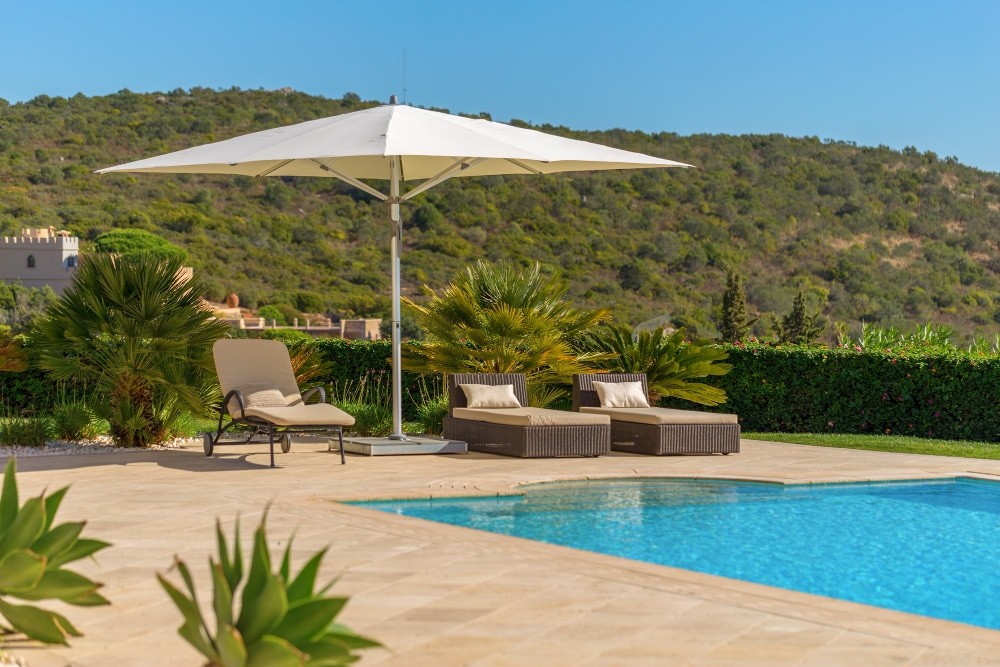
Outdoor hospitality spaces often face unpredictable weather conditions. Wind exposure, in particular, can turn a shade solution into a safety risk if not properly secured. A Frankford Umbrella is designed for durability, but its performance depends heavily on how it is anchored and maintained in real-world conditions.
In poolside areas, open patios, and coastal environments, securing umbrellas correctly protects both guests and equipment. It also extends the lifespan of the structure by reducing stress on frames and components.
Understanding how anchoring, positioning, and operational practices work together is essential for maintaining stability.
Why Proper Anchoring Matters in High-Wind Environments
Umbrellas are exposed structures with a large surface area. Wind can catch the canopy and create upward pressure, which affects both the pole and the base. Without proper anchoring, this force can lead to tipping, movement, or structural damage.
In hospitality settings, these risks are amplified by constant use and open layouts. Guests and staff move around the area, increasing the chances of instability if the umbrella is not secured correctly. A stable setup reduces liability and keeps outdoor spaces functional even in changing weather conditions.
Selecting the Right Base for Stability on Hard Surfaces
Patios, decks, and concrete areas require a base that can counteract wind pressure. The weight and design of the base determine how well the umbrella remains in place.
Heavier bases provide greater resistance against tipping. Materials such as cast iron, granite, or reinforced resin are commonly used because they combine weight with durability. For standard-sized umbrellas, a properly matched base prevents unnecessary movement during moderate wind conditions.
In high-wind locations, relying solely on a freestanding base may not be sufficient. Additional reinforcement or permanent anchoring solutions help maintain stability. Choosing the correct base is the first step in creating a secure setup.
Permanent Anchoring Solutions for Long-Term Installations
For locations that experience consistent wind exposure, permanent anchoring provides a more reliable solution. Ground anchors or bolt-down systems can be installed directly into concrete or decking.
These systems secure the umbrella at its foundation, eliminating the risk of shifting or tipping. They also create a lower profile compared to heavy standalone bases, which can improve space efficiency.
Permanent installations are particularly useful in high-traffic areas where stability must be maintained without constant adjustment. They reduce the need for repositioning and allow the umbrella to remain fixed in place throughout daily operations.
Securing Umbrellas in Sand, Soil, and Coastal Environments
Outdoor spaces such as beaches or landscaped areas require a different approach to anchoring. Standard bases are less effective on soft surfaces, where movement can occur more easily.
Ground anchors designed for soil or sand provide the necessary resistance. These anchors are typically installed deep into the ground, creating a stable foundation that holds the umbrella in place. The depth of installation plays a key role in how well the structure performs under wind pressure.
In coastal environments, additional reinforcement may be needed. Packing the surrounding area with compacted material or adding weight around the base helps improve stability. These adjustments ensure that the umbrella remains secure even when conditions change.
Wind Management Through Positioning and Design Features
Anchoring alone does not guarantee stability. How the umbrella is positioned also affects its ability to handle wind.
Tilting the canopy into the direction of the wind reduces the amount of air that gets trapped underneath. This minimizes uplift and prevents the structure from acting like a sail. Proper positioning should be part of daily setup routines, especially in open areas.
Wind vents built into the canopy allow air to pass through rather than building pressure. This feature reduces strain on the frame and improves overall stability. Flexible components, such as fiberglass ribs, also help absorb wind force without breaking.
These design elements work together with anchoring to maintain performance under challenging conditions.
Reinforcement Techniques for Additional Stability
In environments where wind conditions are unpredictable, additional reinforcement methods can provide extra security. These techniques are often used alongside primary anchoring systems.
Adding secondary weight to the base increases downward force, reducing the risk of tipping. In cantilever setups, weighted supports placed over the base frame help stabilize the structure.
Tethering the umbrella to a fixed structure can also improve stability in extreme conditions. While this should not replace proper anchoring, it can serve as an added precaution.
Reinforcement methods should be selected based on the specific environment and level of exposure.
Operational Practices That Protect Equipment and Guests
Daily operation plays a significant role in maintaining stability. Staff should be trained to adjust and secure umbrellas based on weather conditions.
Closing umbrellas during high winds is one of the most effective ways to prevent damage. Even well-anchored structures can experience stress when exposed to sustained wind. Taking them down at the right time reduces strain on both the frame and the base. Staff should monitor weather conditions closely to make timely adjustments.
Care and Maintenance for Long-Term Stability
Consistent care and maintenance help anchoring systems and structural components continue to perform effectively. Over time, exposure to weather and regular use can affect both the base and the frame.
Cleaning the frame and checking for signs of wear helps prevent deterioration. Tightening connections and inspecting moving parts help keep the umbrella stable during use.
Anchoring systems should also be reviewed periodically. Ground anchors, bolts, and base fittings need to remain secure to maintain stability. Addressing minor issues early helps avoid larger problems later.
Maintenance should be integrated into regular operations rather than treated as a separate task.
Integration with Commercial Outdoor Furniture Layouts
Umbrellas are part of a larger outdoor setup that includes seating, tables, and walkways. Their placement affects how the space functions and how guests interact with it.
In areas with commercial outdoor furniture, umbrella positioning should align with seating arrangements.
Proper integration also prevents overcrowding. Umbrellas should not interfere with furniture placement or restrict access to seating areas. A coordinated layout improves both usability and safety.
Get the Right Shade Setup for Your Space
Connect with Resort Contract Furnishings to review your layout, explore anchoring options, and choose umbrella solutions designed for stability, safety, and daily commercial use.