Commercial Poolside Furniture Buying Checklist for Property Managers
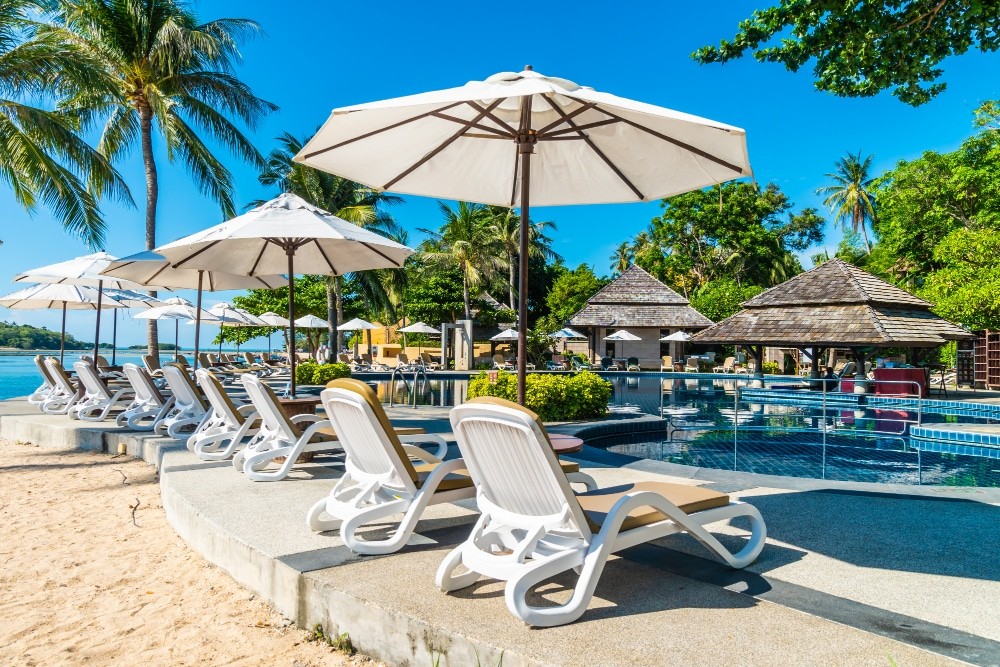
Selecting commercial poolside furniture requires more than choosing pieces that look appropriate for a property. Pool environments expose furniture to constant sunlight, moisture, chemicals, and heavy daily use. Property managers must evaluate durability, layout, safety, and long-term maintenance before making a purchase.
A well-planned selection process reduces replacement costs, simplifies operations, and improves the overall guest experience.
This guide breaks down the key considerations that should shape every decision when sourcing furniture for poolside environments.
Material Selection That Handles Poolside Conditions
Pool decks create one of the most demanding environments for outdoor furniture. Chlorine, saltwater, and UV exposure can quickly break down materials that are not designed for commercial use.
Frames should resist corrosion and maintain structural integrity over time. Powder-coated aluminum performs well because it does not rust and remains lightweight for easy handling. Marine-grade stainless steel offers strong resistance in coastal settings where salt exposure is constant. High-density polyethylene materials provide another reliable option, especially in high-traffic areas where durability and low maintenance are priorities.
Resin-based furniture can also perform well, provided it includes UV stabilizers that prevent fading and surface breakdown. The key is to avoid materials that absorb moisture or degrade under prolonged exposure.
Fabric selection is equally important. Sling fabrics should dry quickly, resist mildew, and maintain their shape after repeated use. Non-porous surfaces simplify cleaning and prevent buildup from sunscreen, oils, and pool chemicals.
Structural Strength and Daily Use Performance
Furniture used in hospitality settings must withstand continuous use without losing stability. Frames should feel solid and remain balanced even when repositioned frequently.
Reinforced construction prevents bending or loosening over time. This is particularly important for chaise lounges and chairs that are moved throughout the day. Weak joints or lightweight materials often lead to early failure, which increases replacement costs.
Weight also plays a role in performance. Furniture should be heavy enough to remain stable in outdoor conditions but not so heavy that staff cannot move it efficiently. This balance supports both durability and operational ease.
Commercial-grade construction differs significantly from residential products. Choosing furniture built specifically for high-use environments reduces the likelihood of breakdowns during peak usage periods.
Layout Planning That Supports Safety and Flow
A pool deck must remain functional for both guests and staff. Furniture placement affects how people move through the space and how easily the area can be maintained.
Clear pathways are essential. Leaving sufficient space between the pool edge and the first row of furniture allows for safe movement and cleaning access. Overcrowding creates safety risks and makes routine maintenance more difficult.
Zoning helps organize the space effectively. Lounge areas should sit close to the pool, while dining or seating areas should be positioned further away to reduce congestion and water exposure. This separation creates a more structured layout and improves usability.
Orientation also matters. Aligning chaise lounges based on sun patterns improves comfort without requiring constant repositioning. A well-planned layout reduces the need for daily adjustments and keeps the space consistent.
Functionality That Simplifies Daily Operations
Poolside furniture must support staff efficiency as much as guest comfort. Features that improve handling and storage can significantly reduce workload during busy hours.
Stackable chairs and loungers allow staff to clear and reorganize spaces quickly. This is especially useful during cleaning or when preparing for events. Furniture that nests efficiently also reduces storage requirements during off-season periods.
Mobility features, such as integrated wheels on chaise lounges, make repositioning easier. Staff can adjust layouts without lifting heavy pieces, which improves productivity and reduces strain.
Functional design choices should always consider how the furniture will be used throughout the day. Equipment that supports operations helps maintain consistency across the property.
Safety Considerations for High-Traffic Environments
Safety should be built into every aspect of furniture selection. Pool decks are high-traffic areas where slips, crowding, and instability can create risks.
Furniture surfaces should offer enough texture to reduce slipping without becoming difficult to clean. Materials that retain water increase the risk of accidents and should be avoided.
Stability is another key factor. Chairs and tables should remain steady on wet surfaces and uneven ground. Weighted bases or balanced frames help prevent tipping, especially in open areas exposed to wind.
Rounded edges and smooth finishes reduce the chance of injury. These details may seem minor, but they contribute to a safer environment, particularly in family-oriented properties.
Care and Maintenance Planning Before Purchase
Long-term performance depends on how easily furniture can be maintained. Property managers should evaluate care and maintenance requirements before selecting materials and designs.
Low-maintenance materials reduce the need for constant attention. Surfaces that can be cleaned with basic solutions save time and limit the use of harsh chemicals. This is especially important in environments where furniture must be cleaned frequently.
Access to replacement parts also plays a role in lifecycle management. Components such as slings, glides, or wheels should be replaceable without requiring a full unit replacement. This approach reduces long-term costs and extends the usability of each piece.
Storage planning should not be overlooked. Off-season storage protects furniture from extreme conditions and extends its lifespan. Stackable or compact designs make this process more efficient.
Integration with Broader Commercial Outdoor Furniture Needs
Poolside areas are often part of a larger outdoor environment that includes dining spaces, walkways, and social zones. Furniture selection should align with the overall design and function of the property.
Consistency in materials and finishes creates a cohesive look across different areas. This is particularly important when combining poolside setups with commercial outdoor furniture used in dining or lounge spaces.
Matching styles and materials also simplifies maintenance. Using similar finishes across the property allows staff to follow consistent cleaning and care routines.
Procurement Decisions That Impact Long-Term Value
Selecting the right supplier is as important as choosing the furniture itself. Property managers should evaluate product quality, availability, and service support before making a purchase.
Commercial warranties provide assurance that products are designed for high-use environments. These warranties differ from residential coverage and reflect the expected level of performance.
Lead times should also be considered, especially for large projects or seasonal upgrades. Delays in delivery can affect operational timelines and guest experience.
Testing samples before placing bulk orders helps confirm comfort, durability, and usability. This step reduces uncertainty and ensures that the final selection meets expectations.
Start Planning Your Poolside Setup Today
Get in touch with Resort Contract Furnishings to review your requirements, explore product options, and build a poolside layout designed for durability, efficiency, and long-term performance.