Best Commercial Poolside Furniture for Hotels, Resorts, and Country Clubs
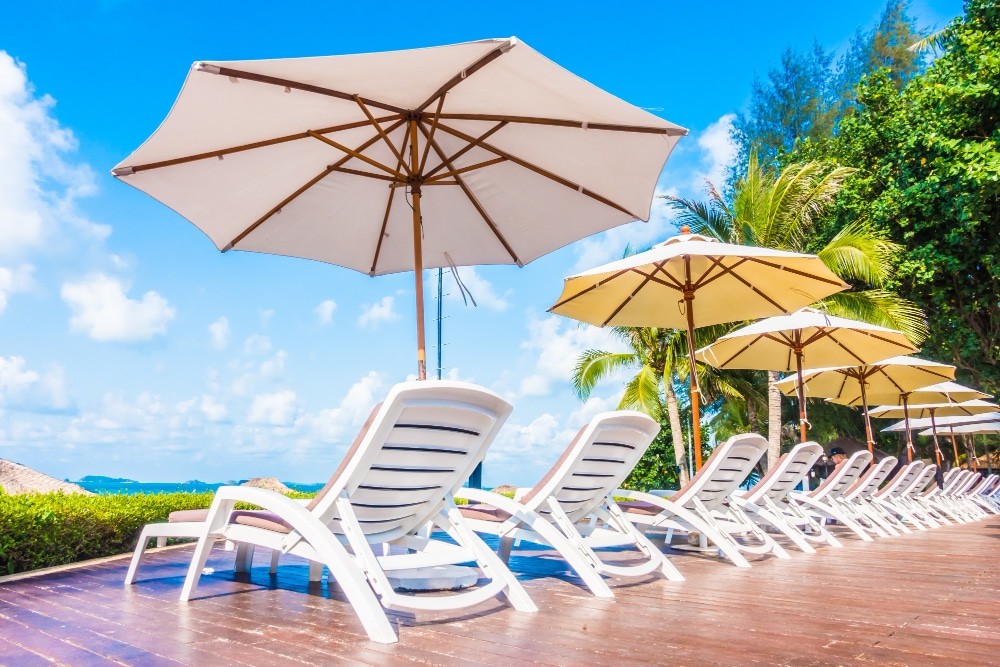
Poolside areas carry more pressure than most outdoor spaces. Constant exposure to water, sun, and frequent guest turnover can quickly wear down poorly selected setups. This is why choosing the right commercial poolside furniture is not just about appearance. It directly affects maintenance cycles, guest comfort, and long-term operating costs.
Hospitality environments demand furniture that performs consistently under daily use. Materials must resist corrosion, fabrics should dry quickly, and layouts need to support both relaxation and service efficiency. When these factors align, poolside spaces remain functional and visually consistent without constant replacements.
Why Poolside Furniture Must Be Built for Commercial Use
Residential-grade pieces fail quickly in hospitality settings. Pool decks experience repeated moisture exposure, chemical contact, and frequent rearrangement. Furniture that is not designed for this environment often shows signs of wear within a single season.
Commercial-grade construction addresses these challenges through material strength and design choices. Powder-coated aluminum frames prevent rust even in humid climates. Synthetic resin and treated teak hold their structure without cracking or fading. These materials are selected because they reduce the need for frequent repairs and replacements.
Operational efficiency also improves when furniture is designed for commercial use. Stackable seating, lightweight frames, and easy-clean surfaces allow staff to manage the space quickly without disrupting guest flow.
Material Choices That Hold Up in High-Traffic Environments
Material selection determines how well furniture performs over time. The most reliable options are those that resist moisture, UV exposure, and structural fatigue.
Powder-coated aluminum remains a preferred choice for frames due to its resistance to corrosion and its lightweight nature. It allows staff to rearrange layouts without difficulty while maintaining durability. Synthetic resin wicker offers a similar advantage, providing the look of natural materials without the risk of cracking or mold growth.
Teak is often used in premium environments because of its natural resistance to moisture and decay. When maintained properly, it retains its structure even under constant exposure. Stainless steel components also contribute to structural stability, especially in areas exposed to water and cleaning chemicals.
These materials form the backbone of resort poolside furniture, where consistent performance matters more than short-term aesthetics.
Comfort and Drying Time Directly Impact Guest Experience
Guest satisfaction depends on how comfortable and usable the furniture feels throughout the day. Poolside environments require materials that adapt quickly after exposure to water.
Sling and mesh fabrics are widely used because they allow water to pass through instead of absorbing it. This reduces drying time and prevents discomfort for the next guest. It also limits the growth of mildew, which is a common issue in humid conditions.
Well-designed resort sling furniture balances support and flexibility. The fabric contours to the body while maintaining tension over time, reducing the need for constant adjustments or replacements. This consistency helps maintain a uniform look across the property.
Cushioned options can still be used, but they require quick-dry foam and protective covers. Without these features, maintenance demands increase significantly.
Chaise Lounges as the Core of Poolside Layouts
No poolside setup is complete without chaise lounges. These pieces serve as the primary seating option and are used throughout the day.
Adjustable backrests allow guests to shift between relaxation and social interaction. Frames must remain stable even after repeated adjustments, which is why reinforced joints and corrosion-resistant hardware are essential.
Many properties also rely on resort strap furniture for chaise lounges. The strap design allows airflow, reduces heat retention, and performs well in wet conditions. It also simplifies cleaning, which is important in high-turnover environments.
Shade Solutions That Support Longer Guest Stays
Direct sunlight can limit how long guests remain poolside. Providing adequate shade increases usability and improves overall comfort.
Large umbrellas with reinforced frames and stable bases are the most common solution. They need to withstand wind exposure while remaining easy to reposition. Fabric quality is equally important, as fading and tearing can occur quickly under constant UV exposure.
Strategic placement of shade structures allows properties to create zones within the pool area. Guests can choose between sun and shade without leaving the space, which increases engagement and satisfaction.
Dining and Social Areas Require Durable Configurations
Poolside spaces often include dining sections and bar areas. These zones require furniture that supports both comfort and frequent use.
Resort tables must resist moisture and remain stable on uneven surfaces. Materials like aluminum, treated wood, and composite surfaces provide the durability needed for food service environments. Table bases should also be designed to prevent tipping, especially in outdoor conditions.
Bar stools and high-top tables create additional gathering areas without overcrowding the space. These elements encourage longer stays and increase the usability of the poolside environment beyond simple lounging.
Sectional seating and sofas can also be integrated to form social zones. These arrangements work well in larger properties where group seating is necessary.
Storage and Flexibility Improve Daily Operations
Furniture that supports easy storage simplifies daily operations. Stackable chairs and foldable elements allow staff to clear spaces quickly for cleaning or events.
Flexibility in layout also helps properties adapt to changing guest needs. Poolside areas may require different configurations throughout the day, from individual lounging setups to group seating arrangements.
Lightweight frames contribute to this adaptability. Staff can reposition furniture without excessive effort, which reduces strain and improves efficiency.
Consistency in Design Reflects Brand Standards
While performance is critical, visual consistency still matters. Poolside furniture should align with the overall design of the property.
Uniform materials, finishes, and colors create a cohesive look that supports the brand identity. Inconsistent furniture choices can disrupt the visual flow and make the space feel unstructured.
Many hospitality properties rely on established product lines such as Grosfillex because of their consistency in quality and design. Standardized collections make it easier to maintain a uniform appearance across large areas.
Long-Term Value Comes from Durability and Maintenance Control
Initial cost should not be the only factor in selecting poolside furniture. Long-term performance determines the true value.
Furniture that resists rust, fading, and structural wear reduces replacement frequency. This lowers overall costs and minimizes disruptions to operations. Maintenance requirements also decrease when materials are chosen correctly.
High-traffic environments benefit from products that maintain their appearance with minimal upkeep. This is especially important in hospitality settings where presentation directly affects guest perception.
Start Your Poolside Project with Confidence
If you are planning a new setup or upgrading an existing space, connect with Resort Contract Furnishings for tailored recommendations and product details.
Our team is ready to help you choose solutions that align with your layout, volume requirements, and long-term performance goals.