Commercial Outdoor Furniture for Restaurants: What Owners Need to Know Before Buying
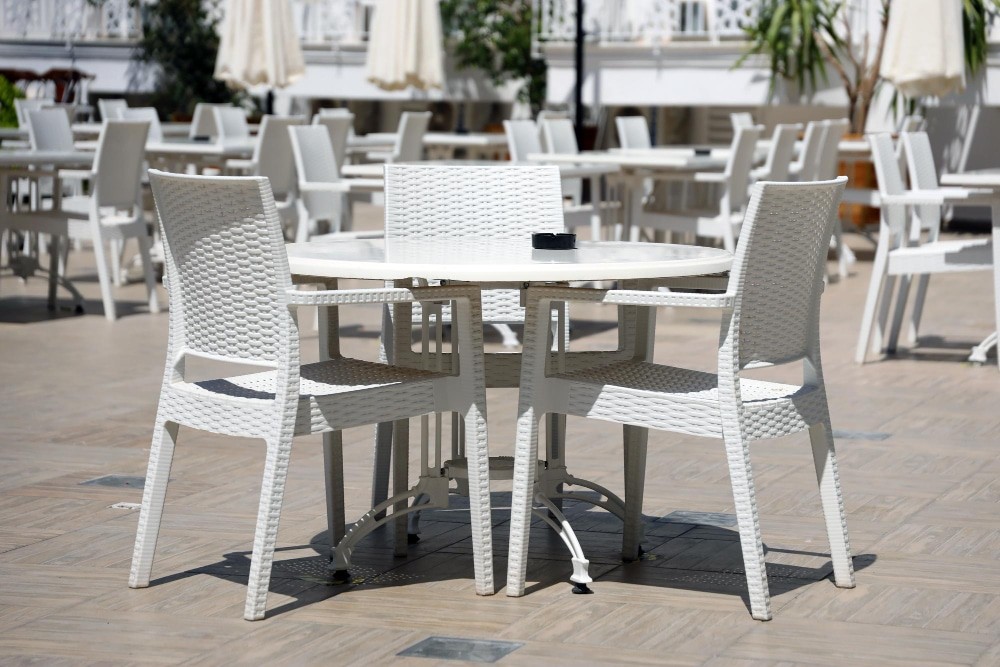
Outdoor dining spaces have become a core part of restaurant operations. They expand seating capacity, improve guest experience, and increase revenue potential. However, selecting the right commercial outdoor furniture requires more than matching tables and chairs to a space. It involves understanding how materials, layout, and daily usage affect long-term performance.
Restaurant environments place constant pressure on outdoor setups. Furniture must handle frequent turnover, exposure to weather, and regular cleaning without losing structure or appearance. Poor decisions lead to higher replacement costs and operational challenges that impact service.
Why Commercial-Grade Furniture Is Essential for Restaurants
Restaurant patios operate differently from residential outdoor spaces. Guests move in and out throughout the day, tables are cleaned repeatedly, and furniture is repositioned frequently. This level of use requires construction that can withstand constant handling.
Commercial-grade furniture is designed with reinforced frames and durable finishes. These features allow it to maintain stability even under continuous use. Residential options often fail in this environment, leading to loose joints, surface wear, and early replacement.
Durability in this context is directly tied to business performance. Furniture that holds up under pressure reduces downtime and supports consistent service.
Material Selection Based on Climate and Usage
Outdoor furniture is exposed to varying environmental conditions depending on location. Material choice should reflect these conditions to avoid unnecessary wear.
Aluminum is widely used because it resists rust and remains lightweight. This makes it suitable for humid or poolside environments where moisture exposure is constant. Powder-coated finishes add protection against surface damage and fading.
Synthetic materials, including resin and engineered wicker, provide low-maintenance options that handle sun and rain without cracking. These materials are often preferred in high-traffic areas due to their durability and ease of cleaning.
Wood options such as teak offer natural resistance to moisture but require ongoing upkeep. Without proper treatment, they can change in appearance over time.
Layout Planning That Supports Service and Guest Flow
A restaurant patio must function as an extension of the indoor dining area. Layout planning plays a significant role in how efficiently the space operates.
Tables should be spaced to allow staff to move freely while carrying food and beverages. Guests should be able to sit, stand, and exit without disrupting nearby tables. This balance prevents congestion and improves overall service speed.
Clear pathways are essential, especially during peak hours. Poorly arranged layouts can slow down operations and increase the risk of accidents. Measuring the space accurately before selecting furniture helps avoid these issues.
Different seating zones can also be introduced to improve usability. Dining areas, waiting sections, and lounge seating each serve a purpose and should be arranged accordingly.
Comfort That Encourages Longer Stays
Comfort is directly linked to how long guests remain seated. In restaurant settings, this can influence order size and overall revenue.
Seating should provide adequate support without requiring constant adjustment. Ergonomic chair designs help maintain comfort during longer meals. Sling or contoured seating options can offer comfort without relying heavily on cushions.
Cushions, when used, should be designed for outdoor conditions. Quick-dry foam and weather-resistant fabrics prevent moisture retention and simplify cleaning. Without these features, cushions can become difficult to manage and may require frequent replacement.
Durability Features That Reduce Replacement Costs
Frequent use exposes weaknesses in furniture construction. Chairs are pulled in and out, tables are wiped repeatedly, and surfaces are exposed to spills and cleaning agents.
Frames should be reinforced to prevent loosening over time. Finishes must resist fading and surface damage caused by sunlight and cleaning products. Materials that do not chip or peel maintain their appearance longer, reducing the need for replacements.
Stackable and lightweight designs also contribute to durability. They reduce strain during handling and allow for easier storage when needed. These features support both longevity and operational efficiency.
Maintenance Requirements and Daily Cleaning Considerations
Routine care and maintenance is part of daily restaurant operations. Furniture should be selected with this in mind to avoid unnecessary workload.
Surfaces that can be wiped clean quickly are essential. Materials that resist stains and moisture simplify cleaning between guest turnover. This is especially important in busy environments where tables must be reset frequently.
Regular inspections help identify minor issues before they become larger problems. Tightening fittings and addressing wear early can extend the lifespan of furniture significantly.
Storage is another factor. Stackable or foldable pieces allow for efficient storage during off-hours or extreme weather conditions.
Safety and Stability in Outdoor Dining Areas
Safety should not be overlooked when selecting outdoor furniture. Unstable tables or lightweight chairs can create risks, especially in windy conditions.
Weighted bases for tables and umbrellas improve stability. This prevents movement during service and reduces the likelihood of accidents. Chairs should also be balanced to avoid tipping when guests sit or stand.
Rounded edges and smooth finishes contribute to a safer environment. These details reduce the risk of injury in high-traffic areas.
Balancing Style With Practical Requirements
While functionality is critical, furniture should still align with the restaurant’s identity. The outdoor space should feel connected to the indoor design.
Neutral tones and consistent materials help create a cohesive look. Accent elements can be introduced through cushions or accessories without affecting the overall structure.
Style should not override practicality. Furniture that looks appealing but requires constant upkeep or fails under daily use will not deliver long-term value.
A balanced approach ensures that the space remains visually consistent while supporting operations.
Evaluating Long-Term Value Instead of Initial Cost
Budget decisions should consider more than upfront pricing. Lower-cost options often lead to higher expenses over time due to replacements and maintenance.
Commercial-grade furniture may require a higher initial investment, but it reduces long-term costs by maintaining performance and appearance. This approach minimizes disruptions and supports consistent service.
Warranties and product reliability also play a role in evaluating value. Choosing furniture designed for commercial use provides confidence in its long-term performance.
Investing in durability allows restaurant owners to focus on operations rather than ongoing repairs.
Planning Outdoor Spaces That Perform Daily
Outdoor dining areas are active environments that require careful planning. Furniture selection affects not only appearance but also how the space functions under daily use.
By focusing on materials, layout, comfort, and maintenance, restaurant owners can create outdoor spaces that support both guests and staff. The right approach reduces operational challenges and improves the overall dining experience.
Start Planning Your Outdoor Dining Setup
Connect with Resort Contract Furnishings to discuss your space, explore product options, and get guidance tailored to your seating capacity, layout, and daily operational needs.