Wind-Resistant Commercial Beach Umbrellas: What Resorts Need to Know
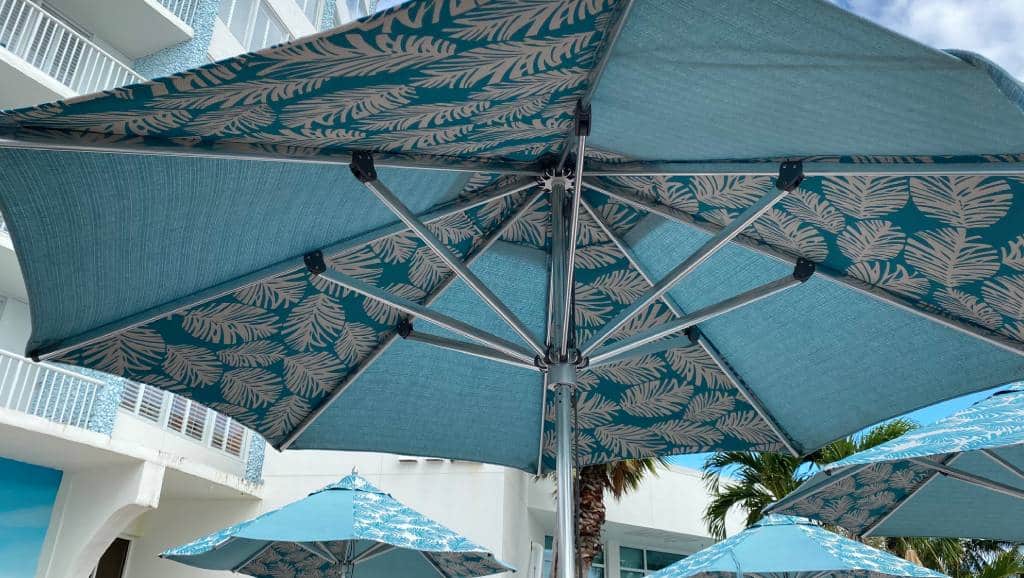
Coastal resorts face constant exposure to wind, salt air, and sudden weather shifts that place heavy demands on outdoor shade systems. Beach umbrellas must do more than block sunlight. They must stay stable, protect guests, and reduce downtime for staff.
Wind-related failures often lead to damaged property, safety concerns, and unplanned replacements. For hospitality teams focused on long-term performance, understanding umbrella construction matters as much as appearance.
This guide explores how modern wind-resistant commercial beach umbrellas meet these challenges through smart engineering, durable materials, and resort-ready design choices.
Why Wind Resistance Shapes Beach Umbrella Selection
Beachfront environments create stress that standard outdoor umbrellas cannot handle for long. Gusts funnel between buildings, reflect off water, and shift direction without warning. A calm morning can turn unpredictable within minutes. In these settings, rigid structures often fail first.
Wind-resistant umbrellas focus on flexibility rather than stiffness. They move with gusts instead of fighting them. This approach reduces breakage, limits frame damage, and lowers safety risks for guests and staff. Resorts that select umbrellas designed for coastal use often see longer service life and fewer emergency removals.
Guest perception also plays a role. Umbrellas that sway safely feel more secure than those that shake or tilt under pressure. Confidence in the environment supports longer stays and stronger satisfaction.
Fiberglass Ribs as the Backbone of Wind Performance
Ribs determine how an umbrella reacts under stress. Traditional steel ribs may seem strong, yet they often snap once pushed beyond a fixed limit. Fiberglass ribs act differently. They bend under force and return to shape once pressure eases.
This flexibility allows umbrellas to handle sustained coastal winds without structural failure. In high-traffic beach areas, this characteristic reduces repair frequency and keeps shade zones operational longer. Fiberglass also resists corrosion, a major concern in salt-heavy air.
Many commercial designs pair fiberglass ribs with aluminum frames. This combination balances strength and weight, making umbrellas easier for staff to manage during daily setup or weather shifts. Resorts benefit from fewer damaged components and smoother operations across peak seasons.
Marine-Grade Frames for Coastal Durability
Frames anchor the entire structure. In coastal settings, aluminum with marine-grade finishes performs far better than untreated metals or wood. Salt exposure accelerates rust and decay, which weakens load-bearing areas over time.
Extruded aluminum masts maintain shape under pressure while resisting corrosion. Stainless steel hardware adds further protection at connection points, where moisture often collects. These materials support long-term use without compromising appearance.
For resorts with strict brand standards, frame finishes also matter visually. Powder-coated surfaces maintain consistent color despite sun exposure. This stability maintains a polished look across pool decks and beachfront lounges.
Venting Systems That Manage Airflow
Venting reduces uplift, one of the most common causes of umbrella failure. When wind catches a solid canopy, pressure builds quickly. Vents allow air to pass through, lowering stress on ribs and frames.
Well-designed vents do not sacrifice shade coverage. Instead, they balance airflow while maintaining comfort below. In high-wind zones, venting often determines whether an umbrella stays upright or inverts.
Commercial beach umbrellas typically feature reinforced vent openings stitched into marine-grade fabrics. These reinforcements prevent tearing and maintain structural integrity over time. Resorts gain safer outdoor spaces with less manual intervention during windy conditions.
Fabric Selection and Its Role in Wind Stability
Canopy fabric influences both wind response and longevity. Heavier, solution-dyed acrylic fabrics resist stretching and tearing under load. They also retain color despite constant UV exposure.
Tighter fabric weaves reduce flapping, which lowers noise and wear. Guests enjoy a calmer experience, while staff avoid frequent adjustments. Breathable materials also work in tandem with venting systems to manage airflow more effectively.
Fabric quality affects maintenance cycles as well. Commercial-grade materials resist mildew and staining, which supports faster cleaning routines and consistent presentation.
Base Systems That Anchor Performance
Even the strongest umbrella fails without proper anchoring. Base systems play a central role in wind resistance, especially in open beach environments. Resorts typically choose from weighted bases, in-ground sleeves, or sand anchoring systems.
Heavy-duty bases made from galvanized steel or concrete offer stability for freestanding setups. Some exceed several hundred pounds, creating a low center of gravity that counters uplift. These bases suit pool decks and paved beachfront promenades.
Sand screws and augers work well in natural beach settings. They secure masts deep into compacted sand, allowing umbrellas to flex above without tipping. Selecting the correct base depends on surface type, wind exposure, and layout needs.
Flexibility Versus Rigidity in Coastal Design
A common misconception equates rigidity with strength. In coastal environments, rigid umbrellas often fail sooner. They transfer wind force directly to joints and ribs, which leads to cracking or bending.
Flexible systems distribute force across multiple components. Fiberglass ribs bend. Vented canopies release pressure. Anchored bases stabilize movement. Together, these elements create resilience rather than resistance.
Resorts that embrace this design philosophy experience fewer weather-related incidents. Staff spend less time removing umbrellas during moderate wind events. Guests enjoy consistent shade access throughout the day.
Operational Benefits for Resort Teams
Wind-resistant umbrellas support smoother daily operations. Lightweight frames paired with stable bases simplify setup and breakdown. Fewer damaged parts reduce storage clutter and maintenance labor.
Staff safety improves as well. Umbrellas that hold position during gusts lower the risk of sudden collapses. Clear procedures replace reactive responses, which helps teams stay focused on guest service.
Over time, these efficiencies support stronger budget control. Reduced replacement cycles and fewer emergency purchases free resources for other property upgrades.
Choosing Reliable Options Through Trusted Channels
Resorts benefit from working with suppliers that understand coastal demands. At Resort Contract Furnishings, we focus on commercial-grade umbrellas designed for real-world conditions. Our selection includes solutions suited for high-wind beaches, pool decks, and waterfront dining spaces.
Through our Resort Contract umbrellas collection, properties access designs built with flexible ribs, vented canopies, and stable base systems. For larger shade needs, Frankford umbrellas offer proven performance in demanding hospitality environments.
Our team works closely with resort operators to align umbrella choices with layout goals, wind exposure, and long-term use plans.
Build Safer, Smarter Shade for Coastal Resorts
Here at Resort Contract Furnishings, we help resorts select wind-resistant beach umbrellas that balance safety, durability, and guest comfort. Our experience across coastal properties guides smart choices that perform under pressure.
From base systems to canopy design, we provide shade solutions that stand up to coastal conditions while enhancing outdoor experiences.